


Everyone is born with natural differences — from hair colour and skin tone to height and facial features. Teeth are no exception. In fact, dental professionals recognise up to 29 natural tooth shades, meaning there is no single “normal” colour when it comes to a smile.
Most people fall somewhere between B4 and A3 on the commonly used shade scale. To assess this, dental professionals rely on a tool known as a shade guide, which helps compare tooth colour accurately. It is widely used to ensure restorative materials blend seamlessly with natural teeth and is also helpful in identifying how bright a smile may appear after cosmetic enhancements.
How tooth colour is classified
The shade guide groups tooth colour into four main categories:
Category A: Reddish-brown tones Category B: Yellow with hints of red Category C: Grey shades Category D: Reddish-grey tones
Each category is numbered from 1 to 4, with 1 representing the lightest shade. Among natural teeth, B1 is generally considered the brightest shade achievable, although even very light teeth often retain subtle yellow undertones.
Why do teeth change colour?
A common question many people ask is: “If I brush regularly, why don’t my teeth look whiter?” The answer is that tooth colour is not determined by hygiene alone. Discolouration usually falls into three broad categories: external factors, internal factors, and age-related changes.
External influences
External staining develops on the surface of the teeth and is often linked to lifestyle habits. Common contributors include:
Frequent consumption of dark beverages such as coffee, tea and red wine Smoking, as tar deposits cling to tooth surfaces Inconsistent oral care, allowing plaque or hardened deposits to accumulate
These surface stains can often be managed with routine professional cleaning and consistent home care. Whitening toothpastes may help reduce surface staining through gentle polishing, but they do not alter the natural colour of teeth.
Internal influences
Some colour changes originate from within the tooth structure and are not removable through surface cleaning. These deeper changes may be associated with factors such as:
Exposure to certain medications during early tooth development Excessive fluoride intake during childhood Colour changes following damage to a tooth Long-term smoking, which can darken teeth from the inside out
These changes often appear as grey, brown or banded discolouration and tend to be more noticeable over time.
The role of ageing
Ageing is another key factor. Teeth are made up of an outer enamel layer and an inner dentine layer. Enamel is naturally translucent, while dentine has a yellow hue. As enamel gradually thins due to wear, acidity or grinding habits, the underlying colour becomes more visible, making teeth appear darker with time.
Is a brighter smile worth considering?
For many people, first impressions matter. A healthy-looking smile is often associated with confidence, approachability and vitality. Research suggests that individuals who feel good about their smile tend to smile more often — and smiling itself has been linked to positive emotional and social effects.
It’s common for people in Singapore to enhance their smile ahead of major life moments such as weddings, interviews or formal events. Others see it as a form of personal upkeep, similar to grooming or skincare. For some, refreshing their smile is simply a way to feel more confident during social gatherings.
Ways people brighten their smiles
Today, there are several approaches available for those looking to enhance the appearance of their teeth.
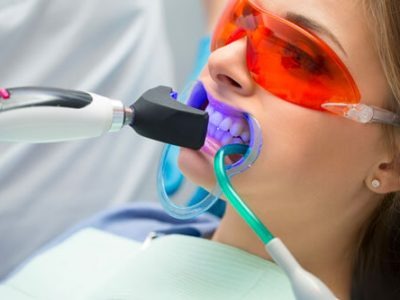
One option involves in-clinic smile brightening, carried out under professional supervision. Another popular choice is custom take-home whitening systems, which allow users to refresh their smile at their own pace and convenience.
For individuals concerned about uneven colouring such as white or brown patches, there are also non-invasive cosmetic solutions designed to visually blend these areas with the surrounding enamel, improving overall uniformity without altering the natural structure of the tooth.
The takeaway
Tooth colour is influenced by genetics, lifestyle and time — and variation is completely normal. Understanding what affects your smile can help set realistic expectations and guide informed decisions. For many Singaporeans, improving smile brightness isn’t about chasing perfection, but about feeling confident, refreshed and comfortable showing their smile every day.


